Small breed
Scottish Terrier Puppies
This breed of dog which is also known as the Aberdeen Terrier and popularly called Scottie for short was initially one of the highland breeds of terrier grouped under the name of Skye Terrier. Discover more about our Scottish Terrier puppies for sale below!
We do not have Scottish Terrier puppies on the floor today. Tell us what you are looking for and we will let you know the moment one arrives, or help you find a breed that suits your home just as well.
- Adult weight 18–22 lbs
- Height 10–11 in
- Lifespan 12–15 years
- Exercise 30 min a day
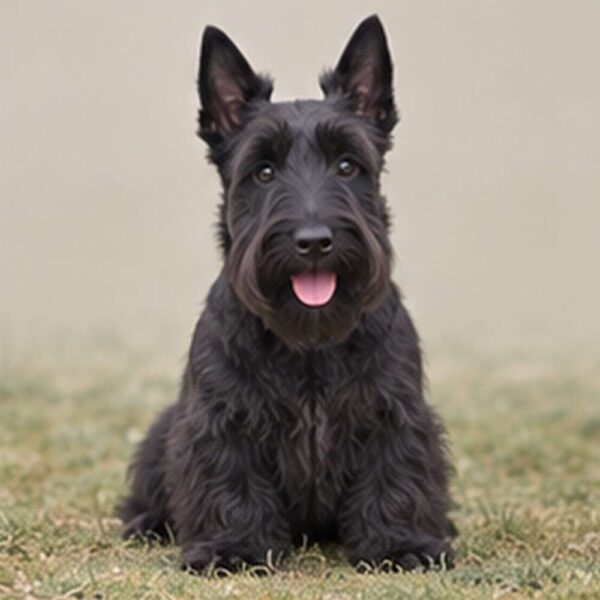
About the Scottish Terrier
The Scottish Terrier, often simply called the Scottie, boasts a rich history as a spirited and dependable companion. Hailing from Scotland, this breed was originally developed for hunting purposes, particularly to catch vermin. Today, they are cherished family pets, known for their loyalty and distinctive appearance. With a sturdy little frame and a distinctive long beard, Scottish Terriers often capture the hearts of those they meet.
Read more about the Scottish Terrier Show less
In terms of temperament, Scotties are affectionate and devoted to their families but can have a stubborn streak. This means they thrive in an environment where consistent training is balanced with plenty of love and positive reinforcement. They are a solid choice for families, although they may not be the best fit for households with very young children or other pets, as their independent nature can lead to some challenges in socialization.
When it comes to energy, the Scottish Terrier is generally moderate, requiring regular exercise but not excessive amounts. A few daily walks and play sessions will keep them content and healthy. They adapt well to apartment living, making them ideal companions for those in urban settings, provided they have enough outdoor time to explore and play. Grooming is relatively easy, needing just weekly brushing and occasional professional grooming to maintain their coat in tip-top shape.
Scotties can have a tendency to bark, so it is important to keep this in mind when considering them for your home. With their charming personalities and loving nature, a Scottish Terrier can truly brighten your life. If you’re looking for one of these delightful companions in Petland Iowa City, Iowa, you may discover the perfect fit for your family.
Scottish Terrier breed profile
Every score below is set by our team for this breed. Higher is simply more of that trait, not better or worse.
Temperament
-
Affection Very affectionate
-
Playfulness Playful
-
With strangers Cautious
-
Territorial Very territorial
-
Prey drive High
Family & other pets
-
Young children Older kids only
-
Older children With care
-
Other dogs Selective
-
Cats Needs care
Energy & exercise
-
Energy Moderate
-
Mental stimulation High
Training
-
Trainability Takes patience
-
Intelligence Steady
-
Stubbornness Stubborn
Care & upkeep
-
Shedding Light
-
Drooling Minimal
-
Barking Vocal
Home life
-
Apartment living Good
-
Time alone Most of a day
-
Cold weather Comfortable
-
Warm weather Needs shade
A good match for
-
First-time owners Some experience helps
-
Senior owners Good
-
Running partner Short distances
-
Hiking Short walks
-
Therapy work Good
-
Guarding Protective
Living with a Scottish Terrier
Temperament & Family Fit
Scottish Terriers are spirited and confident companions, often displaying a strong-willed nature. While they can be a bit reserved with new people, they are deeply loyal to their families, making them wonderful pets for those who appreciate a bit of feistiness. However, they may not be the best fit for families with very young kids or other pets, as they can be a tad aloof around them.
Energy & Exercise
With a moderate energy level, Scottish Terriers enjoy a balanced routine of playtime and relaxation. Short walks and play sessions are perfect to keep them stimulated without overwhelming their spirited nature. They adapt well in an apartment setting, making them an ideal choice for those living in cozy spaces.
Care & Grooming
Grooming a Scottish Terrier is a rewarding but regular commitment, as their wiry coat requires weekly attention to keep it looking sharp. Regular brushing helps to manage shedding and maintain their coat’s distinctive texture. Plus, their grooming needs provide a great way for you to bond with your furry friend!
Training Notes
Training a Scottish Terrier can be a delightful challenge, as their independent spirit often leads them to stick to their own agenda. While they aren't the most eager learners, consistency and positive reinforcement can help them thrive and respond well. Patience is key, and with a little perseverance, you’ll form a wonderful partnership that is sure to bring lots of joy.
Caring for a Scottish Terrier
- Grooming
- Weekly brushing
- Grooming cost
- Average
- Monthly food
- Average
- Outdoor space
- A yard is recommended
- Allergy friendly
- Often suits allergy sufferers
Frequently Asked Questions
What is the size of a Scottish Terrier?
Scottish Terriers, often affectionately called Scotties, are small dogs. They typically weigh between 18 to 22 pounds and stand about 10 inches tall at the shoulder, making them the perfect size for cuddling and companionship.
How much exercise do Scottish Terriers need?
Scottish Terriers have a moderate energy level, so they don't require excessive exercise. A couple of daily walks and some playtime should keep them happy and healthy.
Are Scottish Terriers good with young kids?
While Scottish Terriers can be loving companions, they might not always be the best fit for families with very young children. They have a moderate patience level, so it's essential to supervise interactions and ensure that children understand how to interact gently with them.
Do Scottish Terriers shed a lot?
Scottish Terriers have a moderate shedding level, so you can expect some fur around the house. Regular grooming, ideally once a week, helps manage shedding and keeps their coat healthy and neat.
How well do Scottish Terriers get along with other pets?
Scotties can be somewhat reserved and may not always get along with other dogs or cats. It's essential to introduce them gradually and supervise their interactions to ensure everyone feels comfortable.