Large breed
Great Dane Puppies
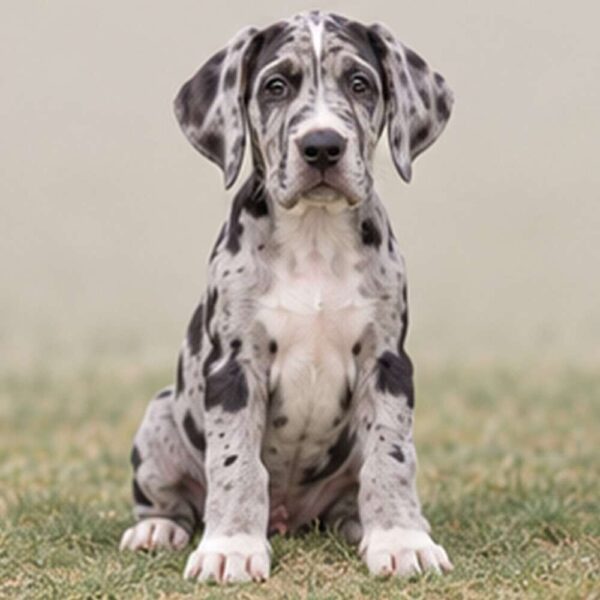
This breed of domestic dog is popularly known for its giant size. A Great Dane called Zeus is the record holder for the tallest dog ever. Discover more about our Great Dane puppies for sale below!
We do not have Great Dane puppies on the floor today. Tell us what you are looking for and we will let you know the moment one arrives, or help you find a breed that suits your home just as well.
- Adult weight 110–175 lbs
- Height 28–34 in
- Lifespan 7–10 years
- Exercise 60 min a day
About the Great Dane
Great Danes are majestic giants known for their impressive stature and gentle disposition. Originating from Germany, these noble dogs were initially bred for hunting large game and have since transitioned into loving companions perfect for families. With their kind-hearted nature, Great Danes are affectionate and thrive on human interaction, making them an ideal addition to households with young children. Their calm demeanor also allows them to coexist with other pets, although they can sometimes be selective about their canine companions.
Read more about the Great Dane Show less
While they are large dogs, Great Danes do not require extensive exercise, making their energy level moderate. A few leisurely walks a day and some gentle playtime will keep them happy and healthy. Grooming these gentle giants is fairly simple, as they have a short coat that requires only monthly maintenance. They do shed, but not excessively, making them a practical choice for those who appreciate a tidy home.
Trainability is one of the highlights of owning a Great Dane. They are generally intelligent and eager to please, which means they respond well to training and commands. With consistent guidance, they can become well-mannered companions. Because they have a relatively low barking tendency, they are not overly intrusive, ensuring a peaceful environment both at home and in the neighborhood. If you’re looking for a loving and loyal giant to add to your family, consider welcoming a Great Dane into your life. They truly embody the spirit of companionship and affection, making them a wonderful choice for anyone ready to embrace their gentle presence.
Great Dane breed profile
Every score below is set by our team for this breed. Higher is simply more of that trait, not better or worse.
Temperament
-
Affection Very affectionate
-
Playfulness Calm
-
With strangers Friendly
-
Territorial Relaxed
-
Prey drive Low
Family & other pets
-
Young children Good
-
Older children Good
-
Other dogs Selective
-
Cats Needs care
Energy & exercise
-
Energy Relaxed
-
Mental stimulation Light
Training
-
Trainability Quick to learn
-
Intelligence Very bright
-
Stubbornness Biddable
Care & upkeep
-
Shedding Light
-
Drooling A drooler
-
Barking Occasional
Home life
-
Apartment living Prefers a house
-
Time alone Short periods
-
Cold weather Needs a coat
-
Warm weather Average
A good match for
-
First-time owners Good first dog
-
Senior owners Good
-
Running partner Short distances
-
Hiking Short walks
-
Therapy work Good
-
Guarding Protective
Living with a Great Dane
Temperament & Family Fit
Great Danes are known for their gentle giants, making them a wonderful addition to any family. Their affectionate nature means they can be great companions for children, often forming a close bond with the little ones in the household. While they may prefer the company of their human family, they can also coexist with other pets, though supervision is recommended.
Energy & Exercise
Despite their towering size, Great Danes have a moderate energy level and enjoy a good balance of play and relaxation. A couple of daily walks and some playtime in the yard are usually sufficient to keep them happy. They’re not overly demanding in terms of exercise but appreciate some outdoor time to stretch their long limbs.
Care & Grooming
Caring for a Great Dane is relatively straightforward, with their grooming needs being minimal. Their coat sheds moderately, requiring monthly grooming to keep it looking its best and to manage shedding. This breed’s size means you’ll want to ensure they have a comfortable space to rest, as well as regular check-ups to monitor their health as they age.
Training Notes
Great Danes are quite trainable, thanks to their intelligence and eagerness to please. Consistent, positive reinforcement methods work best with this breed, helping them learn commands and house manners effectively. Socialization is key during their younger years to ensure they grow into well-mannered companions, especially given their large presence in any environment.
Caring for a Great Dane
- Grooming
- Monthly brushing
- Grooming cost
- Low
- Monthly food
- High
- Outdoor space
- A yard is recommended
- Allergy friendly
- Not considered hypoallergenic
Frequently Asked Questions
How big do Great Danes typically get?
Great Danes are known for their impressive size; they are considered one of the largest dog breeds. Males usually weigh between 140-175 pounds, while females range from 110-145 pounds. Despite their big stature, they are gentle giants with a sweet demeanor.
Are Great Danes suitable for families with young children?
Absolutely! Great Danes are known to be very good with young kids, often forming strong bonds and showing a lot of affection. Their calm and friendly nature makes them playmates and protectors for children, providing a loving atmosphere in the home.
How much exercise do Great Danes need?
Great Danes have a lower energy level, typically requiring moderate exercise. Daily walks and playtime are generally sufficient to keep them healthy and happy. Just be mindful not to overexert them, especially in their younger years as they grow.
Do Great Danes shed a lot?
Although Great Danes have a short coat, they do shed some hair, earning a shedding level of 3. Regular brushing can help manage loose hair and keep your home cleaner, and a monthly grooming routine is usually all they need to stay looking their best.
How trainable are Great Danes?
Great Danes are typically quite trainable thanks to their intelligence and eagerness to please. With consistent and positive reinforcement methods, they can learn commands and manners relatively easily. Early socialization and training are recommended to help them develop into well-behaved companions.